 Matt Roberts
Writing · No. 2 ·
People do what you inspect, not what you expect
I've carried one line around for about 30 years: people do what you inspect, not what you expect. A version of it is usually credited to Lou Gerstner, who turned IBM around in the 1990s, and I've watched it hold true in almost every business I've worked with since.
The line often gets misread, because people hear "inspect" and picture a manager with a clipboard, checking up on everyone. Done that way it backfires. People learn to hide bad news, and you end up inspecting a performance put on for your benefit.
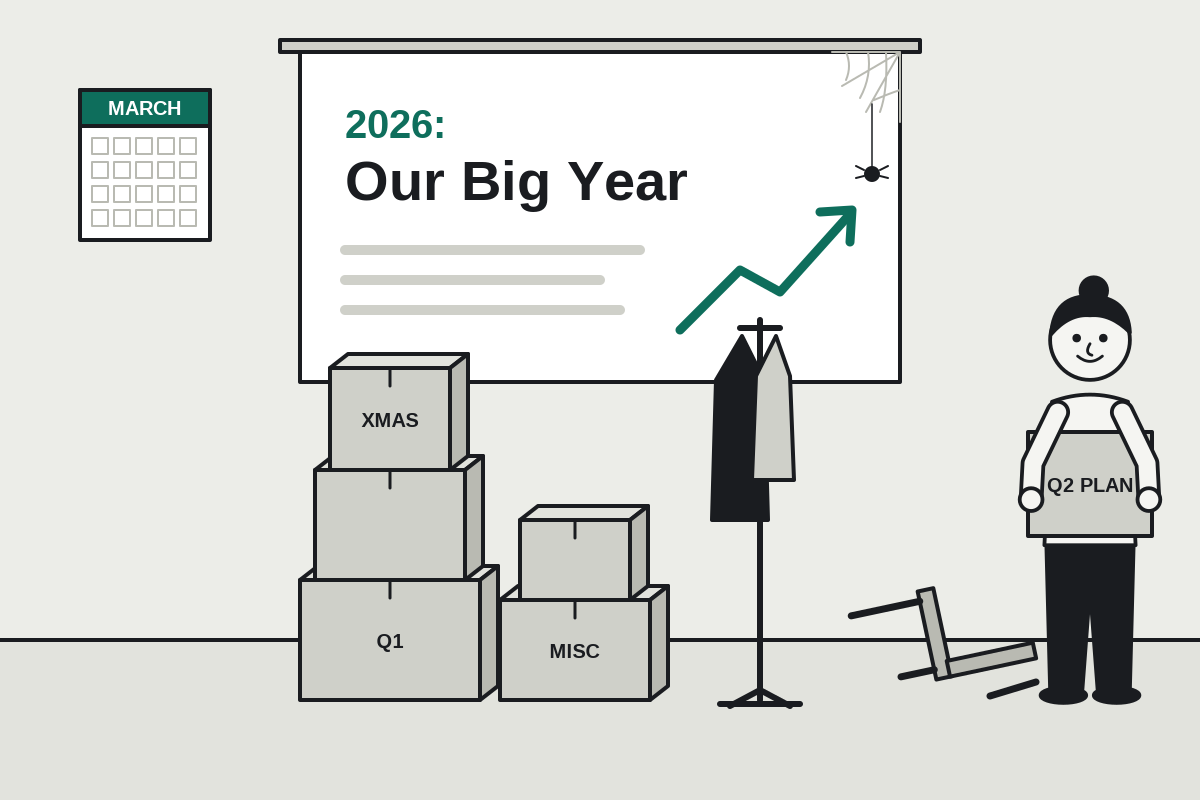
The real point is that expectations fade. You set them in January with real energy, at a kick-off or a strategy day, on a nicely designed slide. By March they're buried under the day job. Nobody decided to ignore them. They just stopped being looked at, and what stops being looked at stops being done.
Most leaders I work with have plenty of expectations. What they're missing is a habit of looking.
What good inspection looks like
- Regular. Weekly beats quarterly, because a week is still short enough to fix something. A plan reviewed once a year is barely a plan.
- Small. Three numbers that matter, not thirty. If the dashboard needs scrolling, nobody's really reading it.
- Shared across teams. At least one of those numbers should belong to more than one team. Orders delivered on time and at margin, for example, needs sales, operations and finance pulling together. When every team only inspects its own number, each one can look fine while the business struggles. Measure apart, fall apart.
- Owned. The person responsible for a number looks at it with you and explains it. You're seeing what they see, not catching them out.
- About help. Two questions do more than any status update: "How do we increase our confidence in achieving the outcome we want?" and "What would need to be true to bridge the gap between where we are and where we need to be?" Then remove one thing that's in the way that day.
- Two-way. Your team should be able to inspect what you said you'd do, too.
Where AI comes in
AI makes the looking cheap. It can read last week's numbers, flag what moved and draft a summary before the meeting starts. That frees the meeting for the part only people can do: asking why, and noticing who goes quiet when a number comes up.
A 15-minute habit
Start a 15-minute weekly check with your leadership team. Same time, same place, same questions:
- How are our three most important numbers doing, including the one we share across teams?
- How do we increase our confidence in achieving the outcome we want?
- What would need to be true to bridge the gap between where we are and where we need to be?
- Who's doing what, and by when?
Write the answers down. Next week, start by reading last week's out loud.
Give it six weeks before you judge it. The first few usually feel a bit awkward. Then, somewhere around week five or six, people start bringing problems before you ask, and that's how you know it's working.
People do what you inspect, not what you expect.
If expectations get set and then quietly stop being looked at, building a simple weekly rhythm of inspection is one of the changes we'd work on with you to get the numbers moving.