Change management that people come with you on

I'm Matt Roberts, a change management consultant and business coach. I use the SCARF model to find out why your people are resisting, then redesign the change so they lean in instead.

Your first meeting is free.

A conversation about the change you're making. You'll leave with my first read on where it's likely to stick, whether we work together or not.
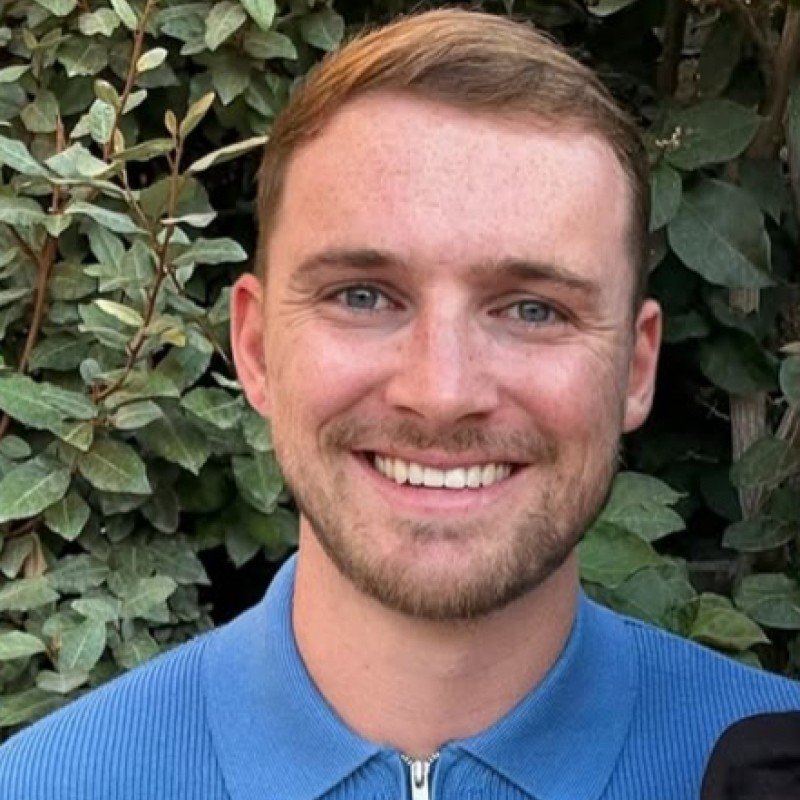
Ashley Heather

Matt transformed our strategy and how we operate, adding double-digit percentage points to growth. We are now moving to bigger offices.Ashley Heather, Building Materials Nationwide

  • StatusWhere do I stand?
  • CertaintyWhat happens next?
  • AutonomyDo I get a say?
  • RelatednessAre we still on the same side?
  • FairnessIs this fair?

I've consulted 100s of companies, from start-ups and hyper-growth scale-ups to a US not-for-profit care provider.

Sound familiar?

If one of these is yours, that's the conversation to start with.

  • There's a lot of change, and it isn't landing.
  • We announced it months ago, and nothing has really moved.
  • People nod in the meeting, then carry on as before.
  • We've restructured, and the good people are the ones leaving.
  • The new system is live, and everyone has found a workaround.
  • We need to change, and the team has to come with us.
  • The leadership team agrees on the plan, but not on how to land it.

People don't resist change because they're difficult. They resist it because their brain has filed it as a threat.

Most change plans are written as if people respond to logic. A clear case, a good slide deck, a launch date. Then the change stalls, and leaders conclude the team is the problem.

What's usually happening is simpler. The change has threatened something people care about, like where they stand, what happens next, or whether they get a say. Once the brain is in threat mode, people think less clearly, collaborate less and dig in.

Find the threat, and you can design it out.

That's what SCARF lets us do.

SCARF: the five things every change touches

Each one can feel like a threat or a reward. The same change can be a threat to one team and a reward to another, so I look at every part of it, team by team.

  • Status

    Where do I stand?

    When it's a threat
    A restructure reads as a demotion, even when it isn't one. Experts get sidelined by a new system they didn't choose.
    What I do
    Give people visible roles in shaping the change, and use the expertise they already have.
  • Certainty

    What happens next?

    When it's a threat
    Silence. People fill every gap with the worst version, and the rumour mill does your comms for you.
    What I do
    Say what's known, what isn't yet, and exactly when they'll hear more. Then keep that date.
  • Autonomy

    Do I get a say?

    When it's a threat
    Change done to people, not with them. Every decision made upstairs and announced as finished.
    What I do
    Fix the destination, and give teams real choices about the route.
  • Relatedness

    Are we still on the same side?

    When it's a threat
    Leadership against the team, the old guard against the new hires, one department against another.
    What I do
    Shared goals, mixed working groups, and leaders who show up in person.
  • Fairness

    Is this fair?

    When it's a threat
    Rules that apply to some and not others. Leaders exempt from the change they're asking for.
    What I do
    Explain the reasons, apply the rules evenly, and go first.

SCARF was published by David Rock in 2008, drawing on research into how the brain responds to social threat and reward. I've used it and built on it with leadership teams for years.

Alongside SCARF, I bring other tools as the change needs them: process maps, OKRs, strategy maps, metrics trees and more.

How I help a change land

  1. I listen
    carefully.

    I talk to your leadership team and to the people the change lands on, in conversations of 45 minutes to an hour and a half. People tell me things they won't say in a town hall.

  2. I map
    the threats.

    I score the change against SCARF for each team, so you can see where it's being felt as a loss, and by whom. Then we talk it through openly.

  3. We redesign it together.

    We change how the change is done: who's involved, what people get to decide, what they hear and when. Usually the destination stays the same.

  4. We coach you through it.

    Leaders are the change. I coach you and your leadership team while it beds in, with weekly check-ins so we spot new threats before they spread.

A 4-hour leadership team intensive

Pinpointing What Matters

Most businesses don't lack goals. They have too many. In four hours, I get your leadership team to agree the 2 or 3 that matter most, then help you communicate them so everyone gets behind them.

  • In person, fun, and full of new ideas
  • Resolves the disagreements nobody says out loud
  • Your SLT leaves united, behind the same few goals

The deal

Every engagement is designed around the change you're making and where it's stuck.

Before we start, we agree in writing what success looks like for you and how we track it.

If we don't get results together, you get money back. Nobody's had to ask yet.

Your first meeting is free. And if, after it, I don't think we're the right fit, I'll tell you.

Questions

What is the SCARF model?

A model published by David Rock in 2008. It names five things our brains treat as threats or rewards at work: Status, Certainty, Autonomy, Relatedness and Fairness. It's useful in change because it explains resistance without blaming people for it.

Can you help if the change is already under way?

Yes. Most people call me mid-change, when it isn't landing. That's often the easiest point to see what's going wrong.

What kinds of change?

Restructures, new operating models, new systems and AI, pivots, mergers, and changes in leadership.

Will you run the communications?

I'll help you plan and write them, and coach your leaders to deliver them. Your people need to hear it from you, not from a consultant.

How quickly can you start?

Usually within two weeks of our first chat.

Let's have a chat.

Tell me about the change you're making and where it's stuck. I'll tell you what I'd look at first.